
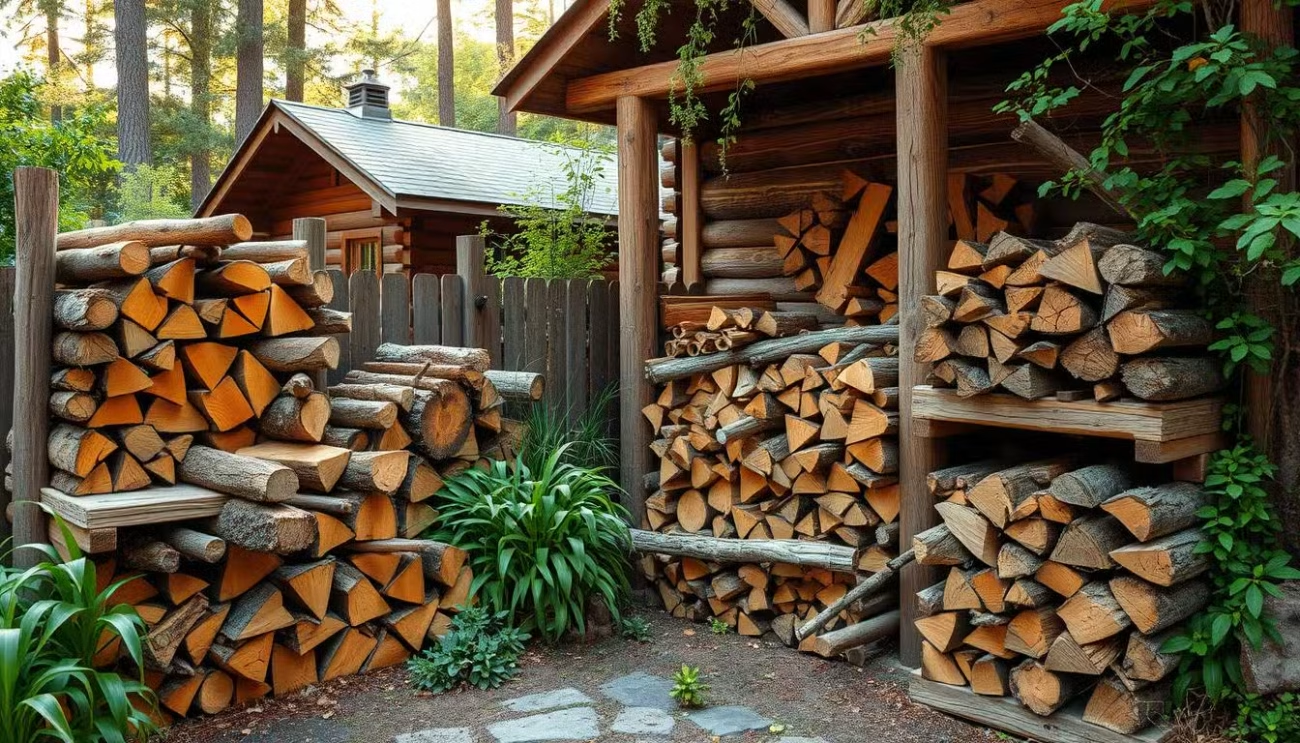
Firewood lasts better when air can circulate around the stack and rain cannot repeatedly soak it. Effective firewood storage ideas therefore focus on elevation, ventilation, stable stacking, and overhead protection rather than completely sealing logs inside an enclosed box.
A simple raised rack with a roof can often outperform a decorative container that traps moisture.
Keep Logs Off Soil and Wet Surfaces
Direct ground contact exposes the lower rows to moisture and can slow drying. Use a purpose-built rack, treated timber base, masonry supports, pallets in suitable condition, or another stable platform that raises the stack.
Positioning matters too. Avoid low areas where runoff collects after rain or irrigation. On properties with extensive outdoor recreation areas, organized exterior layouts can help inspire ways to separate dry storage from splash zones and frequently wet surfaces.
Leave Space for Air Movement
A small gap beneath and behind the pile encourages airflow. Packing logs tightly against a solid wall can leave the back of the stack damp even when the front appears dry.
Air circulation matters more than making the pile look perfectly enclosed.
Cover the Top Without Wrapping Everything
Overhead protection prevents repeated rain exposure while open sides allow moisture to escape. A small roof, shed overhang, or properly designed firewood shelter can provide this balance.
Avoid wrapping an entire stack tightly with plastic for long periods. Trapped condensation can work against the reason the cover was added. Rustic lodge-inspired storage areas often use simple roofed structures with open sides for this reason.
| Storage Feature | Better Approach | Problem to Avoid |
|---|---|---|
| Base | Raised platform | Ground contact |
| Cover | Roof over top | Fully wrapped stack |
| Sides | Mostly open | Trapped moisture |
| Stack | Stable rows | Leaning pile |
Build a Stable Stack
Split logs usually stack more securely when pieces of similar size are arranged in consistent rows. End supports can prevent the pile from spreading or collapsing.
Keep tall stacks away from places where children play or people regularly walk. If the pile begins leaning, restack it rather than adding more wood to compensate.
Choose a Convenient but Sensible Location
Firewood should be close enough to the house, fire pit, or outdoor fireplace that carrying it is manageable. Yet convenience doesn’t mean pushing a large pile directly against exterior walls.
Thoughtful property storage planning can help integrate a wood rack with sheds, paths, utility zones, and landscaping without making it a visual obstacle.
Follow any applicable local fire-safety guidance when deciding how close a woodpile should be to buildings or ignition sources.
Where Firewood Storage Goes Wrong
The biggest misconception is that maximum enclosure means maximum dryness. Logs can stay damp when airflow is poor, even if rain never reaches them directly.
Another mistake is stacking freshly delivered wood in an unstable heap and assuming it will settle safely. Organize the pile early, maintain a firm base, and periodically check for leaning or shifting. Also watch the vegetation around the rack so leaves and weeds don’t block airflow near the bottom.
Frequently Asked Questions
Should firewood be completely covered?
Usually only the top needs strong weather protection while the sides remain open enough for ventilation. Complete wrapping may trap moisture and reduce drying.
How far should firewood be raised off the ground?
There isn’t one universal height. The important goal is preventing direct contact with wet soil and allowing some airflow beneath the lowest logs.
Can firewood be stored against a house?
Requirements and fire-safety recommendations can vary by location and property. Keeping a large pile directly against a building may also reduce airflow and make inspection more difficult.
Keep the Stack Dry Through Simple Design
Prioritize a firm raised base, open airflow, overhead rain protection, and stable rows. Those four decisions solve most everyday firewood-storage problems without requiring an elaborate structure.
Inspect the pile after storms and as wood is removed because its balance can change over time. A modest shelter that stays dry, accessible, and easy to inspect is usually more useful than a heavily enclosed storage feature built mainly for appearance.
