
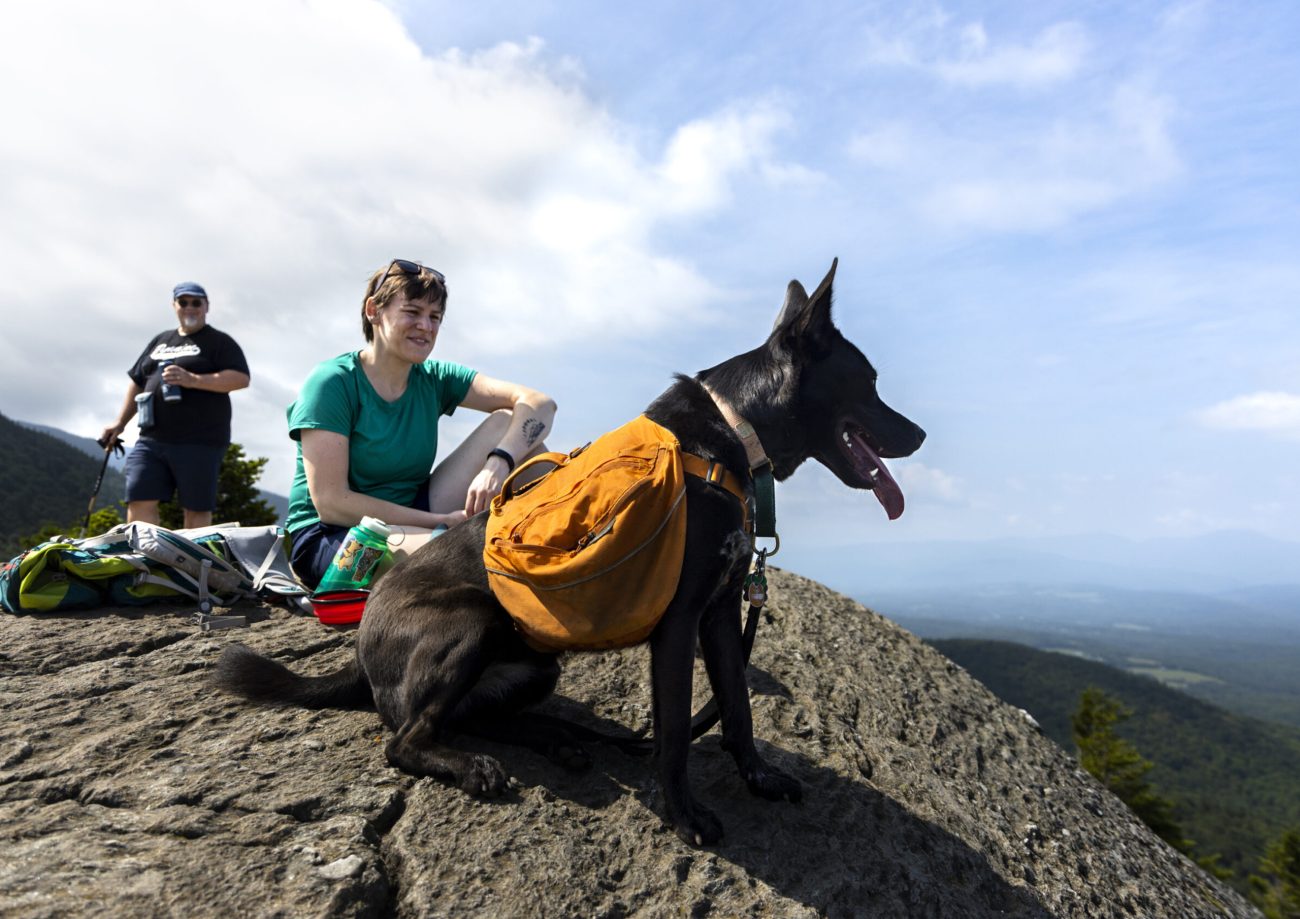
Finding the right Arizona dog training program is about more than teaching a dog to sit, stay, or come when called. Dogs need to respond reliably around distractions, remain calm in unfamiliar situations, walk politely, and understand what their owners expect. Effective training builds practical obedience while helping owners develop better communication with their dogs.
Whether you have a new puppy, an energetic adult dog, or a companion struggling with specific behavior problems, the goal should be the same: create skills that work beyond the training session. Rob’s Dog Training helps owners build practical obedience and better behavior through structured training designed around individual dogs and their needs.
Why Arizona Dog Training Should Focus on Real Life
A dog may respond perfectly to a command in a quiet room and still struggle when faced with excitement, unfamiliar people, other dogs, traffic, or new surroundings. That is why training should gradually introduce distractions and different environments.
Real-world dog training can help dogs learn to:
- Respond to commands despite distractions
- Walk calmly without constantly pulling
- Come when called with greater reliability
- Settle appropriately inside the home
- Respect boundaries and household expectations
- Remain focused around people and other dogs
- Make better choices when excited or stimulated
These skills are more useful to everyday owners than obedience that only works under controlled conditions.
Training should also account for the individual dog. Temperament, energy level, confidence, learning style, age, and existing behavior patterns can all affect how a dog learns. A structured plan should therefore be adapted to the dog rather than forcing every animal through the same routine.
What Effective Arizona Dog Training Should Teach
Good training is not simply a list of commands. It gives dogs a clear framework for understanding what behaviors are expected and helps owners consistently reinforce those expectations.
1. Reliable Basic Obedience
Commands such as sit, down, stay, and come provide the foundation for everyday communication. However, reliability matters more than whether a dog can perform a command once.
Owners should practice these skills in progressively more challenging situations. A dog that can stay while the owner stands nearby should eventually learn to remain in place while there are distractions around them.
2. Leash Manners
Pulling can make walks frustrating and difficult to manage. Instead of allowing the dog to determine the direction and pace, training should establish clearer communication between the dog and handler.
Loose-leash walking requires consistency. Dogs need to learn that calm movement and attention to their handler are expected behaviors.
3. Recall and Responsiveness
A dependable recall is one of the most valuable skills a dog can learn. It can help owners regain control when a dog becomes distracted or moves too far away.
Recall training should be built gradually, beginning in environments where success is likely and increasing distractions as the dog becomes more reliable. Owners should avoid repeatedly calling a dog without following through, since inconsistent communication can weaken the behavior.
4. Impulse Control
Excitement is normal for dogs, but acting on every impulse can create problems. Jumping on visitors, rushing through doors, pulling toward distractions, or becoming overly stimulated around other animals can make daily routines harder.
Impulse control teaches dogs to pause, listen, and respond instead of immediately reacting. This is especially important when training around real-world distractions.
Why Owner Education Matters
One of the most overlooked parts of dog training is the owner’s role. A trainer can demonstrate a behavior, but the owner ultimately needs to communicate with the dog every day.
Training becomes more effective when owners understand:
- What behavior they want
- How to communicate the expectation clearly
- How to reward or reinforce the correct response
- How to respond consistently when the dog makes a mistake
- How to practice the skill in everyday situations
Consistency helps prevent confusion. If a dog is allowed to jump on one person but corrected for jumping on another, the dog receives mixed signals. Clear household rules make learning easier.
This is why owner education should be part of professional training rather than an afterthought.
Choosing the Right Dog Training Approach
There is no single training format that is ideal for every owner or dog. The right choice depends on the dog’s needs, the owner’s schedule, and how involved the owner wants to be throughout the process.
Private Dog Training Lessons
Private lessons can be useful for owners who want hands-on instruction. One-on-one training allows the trainer to work directly with the dog and owner while addressing specific goals and behavior concerns.
It also gives owners an opportunity to learn techniques they can continue practicing between sessions. Rob’s Dogs describes its private lessons as customized around the dog’s needs and the owner’s goals.
Board and Train
Board and train programs can suit owners with busy schedules or dogs that benefit from more concentrated training. The dog stays at a professional facility while receiving structured training, followed by instruction for the owner on maintaining the progress at home.
The transition back to the household is particularly important. Training should not end when the dog leaves the facility. Owners need to understand how to continue reinforcing expectations in their normal routines.
Rob’s Dogs currently offers both Board & Train and private lessons, allowing owners to choose a format based on their circumstances and training goals.
How to Make Training Stick at Home
Even the best training program requires follow-through. Dogs learn through repetition and consistency, so owners should incorporate training into ordinary activities instead of treating it as an occasional event.
Try these practical habits:
- Practice commands during short daily sessions.
- Reward calm behavior when it happens naturally.
- Reinforce leash manners during regular walks.
- Ask for appropriate behavior before meals, doors, or play.
- Gradually introduce distractions rather than rushing into difficult environments.
- Make sure everyone in the household follows the same expectations.
Short, consistent practice is often easier to maintain than occasional lengthy sessions.
Owners should also pay attention to progress rather than expecting perfection immediately. Some behaviors require more repetition than others, particularly when distractions or strong emotional responses are involved.
Behavioral Assessment Can Improve the Training Plan
Before choosing a training program, it is helpful to understand what is actually driving the behavior. A dog that pulls on the leash, for example, may need a different approach from a dog that becomes highly reactive around other dogs.
An assessment can help identify behavioral patterns, temperament, energy level, and the situations where problems are most likely to occur. From there, a trainer can develop a more appropriate training strategy.
Rob’s Dogs offers in-person behavioral assessments as an initial step toward developing a customized training plan.
This individualized approach is important because two dogs displaying similar behaviors may not have identical needs.
A Better Goal for Arizona Dog Training
The best measure of training is not how many commands a dog can perform in a quiet environment. It is whether the dog can apply those skills when everyday life becomes unpredictable.
A well-trained dog should be able to listen around distractions, settle when appropriate, walk with better manners, respond to direction, and understand household boundaries. Just as importantly, owners should feel confident communicating with their dogs and maintaining those behaviors.
That is the real value of Arizona dog training: creating practical skills that improve everyday life for both dogs and their owners.
For Arizona dog owners looking for structured training options, Rob’s Dogs provides private lessons and Board & Train programs focused on obedience, manners, behavior, and owner education.
