

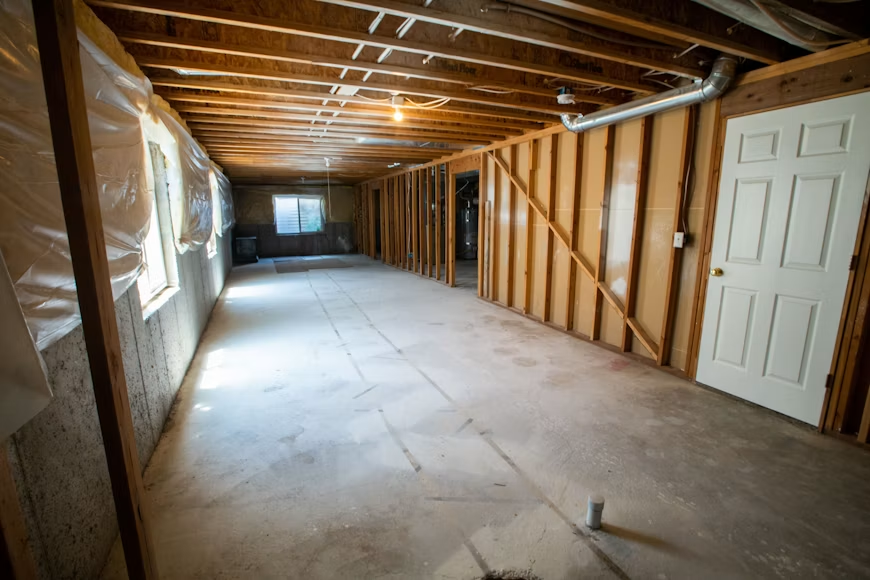
A home’s foundation provides essential structural support, so problems affecting it should never be ignored. Basements can be particularly vulnerable to moisture, soil movement, drainage issues, and changing weather conditions. Some warning signs may appear minor at first but can indicate a more serious structural concern. Recognizing these signs early and arranging professional basement foundation repair when necessary can help prevent further damage and protect the property.
1. Cracks in Basement Walls
Cracks are among the most noticeable signs of potential foundation problems. Small hairline cracks may occur for various reasons, but larger, widening, horizontal, or stair-step cracks deserve professional evaluation.
Basement foundation repair may be necessary when cracks are associated with movement, water infiltration, or structural changes. Avoid assuming that every crack is harmless without having significant or changing cracks assessed.
2. Cracks in the Basement Floor
Cracks can also develop across basement floors. While some may be related to normal concrete movement or shrinkage, larger cracks, uneven surfaces, or cracks accompanied by moisture can warrant further investigation.
A qualified professional can examine the location, size, and pattern of the cracks and determine whether additional evaluation is needed.
3. Bowing or Leaning Walls
Basement walls that appear to bow, tilt, or lean inward can indicate pressure from surrounding soil or other structural issues. This type of movement should receive professional attention because it can become more serious over time.
Basement foundation repair methods depend on the cause and severity of the movement, so a proper assessment should be completed before selecting a solution.
4. Doors and Windows Become Difficult to Operate
Changes in the foundation can sometimes affect the alignment of the building above it. Doors or windows that suddenly become difficult to open, close, or latch may be one indication of movement.
Although these problems can have other causes, recurring changes throughout the property should be investigated, particularly when they occur alongside foundation cracks.
5. Uneven or Sloping Floors
Noticeably uneven floors can be another warning sign. A floor that slopes, sinks, or feels different from how it previously felt may indicate movement beneath the structure.
Foundation issues are not always responsible, but a professional inspection can help determine whether the problem is related to the foundation, framing, drainage, or another part of the building.
6. Water Infiltration
Persistent water entering the basement through walls, floors, or joints can damage materials and contribute to long-term problems. Moisture may result from poor drainage, hydrostatic pressure, cracks, or other conditions around the property.
While waterproofing may address some moisture concerns, underlying structural issues should be professionally evaluated when water appears alongside foundation movement.
Final Thoughts
Cracks, bowing walls, uneven floors, water infiltration, difficult-to-operate doors and windows, gaps, and recurring damage can all be signs that a basement foundation needs professional attention. Not every warning sign automatically means a major structural failure, but significant or worsening changes should be evaluated rather than ignored. Professional basement foundation repair can help identify the underlying cause and determine an appropriate solution. Regular inspections, proper drainage, and timely maintenance can also help protect the foundation and reduce the risk of more extensive damage.
